How to Choose a Personal Injury Lawyer in Manhattan: A Boutique Lawyer’s Honest Guide
Why This Decision Is Hard
If you are reading this, chances are you’re dealing with the aftermath of a serious injury. Maybe you were struck in a crosswalk on Eighth Avenue. Maybe you fell off a scaffold on a Hudson Yards adjacent project. Or maybe you were assaulted in a building that should have had security. Recovering from an injury is hard enough without having to navigate the search for the right lawyer.
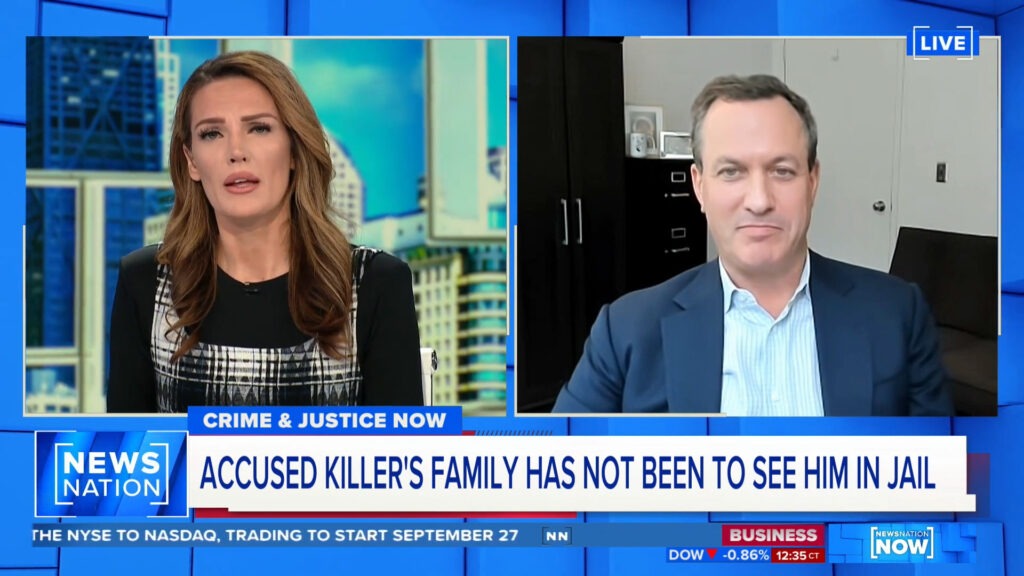
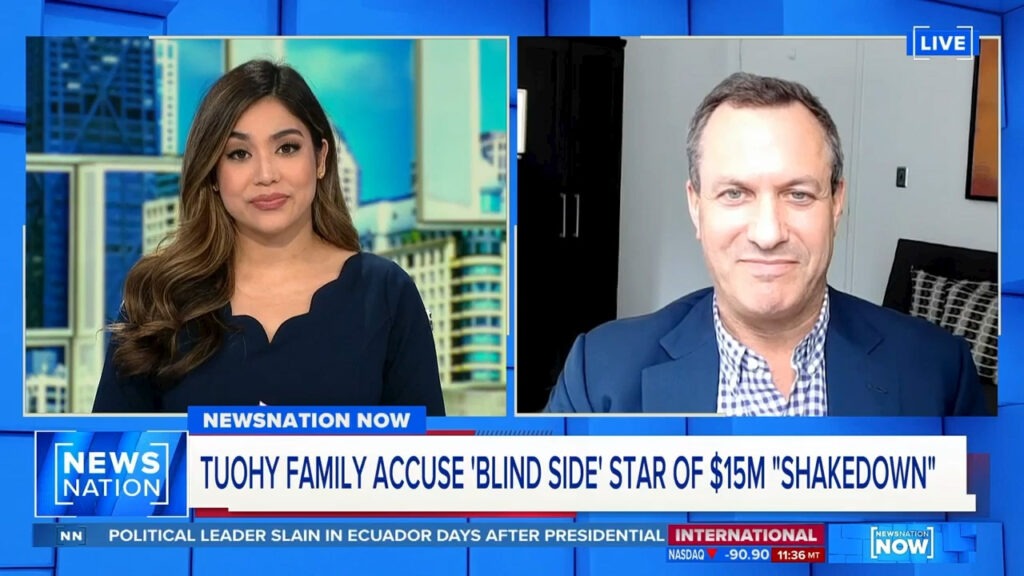
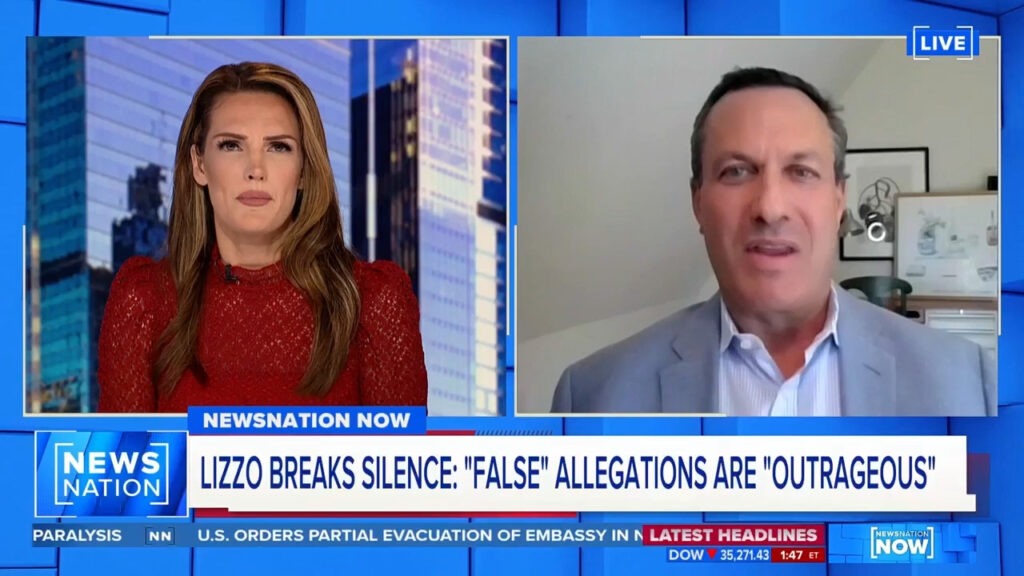
My name is Eric Richman. I run a boutique personal injury practice on the Upper East Side. I have spent over two decades doing this work in Manhattan, and I am going to give you the honest version of how to choose a lawyer for your case. I will tell you when you should call me, and I will tell you when you should call someone else.
The Manhattan personal injury market is loud. The firms that buy the television commercials, the subway ads, and the digital impressions are the ones you see first. Many of them are good lawyers. But the marketing budget does not tell you anything about what your case experience will be. The decision that matters is structural: who actually handles your file, and how the firm makes its money.
What to Actually Look For
Five things matter when you are picking a Manhattan personal injury attorney. None of them are on the television ad.
Direct attorney access
Ask who will answer the phone when you call about your case. If the answer is the attorney whose name is on the door, you have a real boutique practice. If the answer is a case manager, a paralegal, or someone whose title you have not heard of, you are dealing with a high-volume practice and the attorney is not on your file.
In my practice, clients have my cell phone. I am the one returning the call. That is not a marketing line, it is a structural choice about how I run the firm.
Case-type focus
Manhattan personal injury is not one practice. It is at least five practices that share a name. Construction accidents under New York Labor Law §240 and §241(6) are document-intensive and depend on the chain of contractor and owner responsibility. Premises liability cases against landlords and management companies require careful evidence preservation in the first thirty days. Negligent security cases turn on what the property owner knew or should have known about the risk. Pedestrian and bicycle cases depend on intersection facts, traffic camera footage, and witness work that has to happen fast.
A generalist firm that also does immigration, family law, and criminal defense cannot match a focused practice on any of these. Ask what the firm does. The list should be short and specific.
Volume per attorney
This is the metric nobody talks about. A high-volume firm by definition cannot give each case individualized attention because the attorney does not have the time. A boutique firm has a smaller caseload because the attorney is personally on each file. Ask the attorney how many active cases they have. The answer tells you everything.
Trial readiness
Most personal injury cases settle. That is true everywhere. The question is whether the case settles for what it is worth or for what the insurance carrier wants to pay. Carriers know which firms settle every case and which firms are willing to try cases. The first group gets lowball offers. The second group does not.
Ask the attorney when they last tried a Manhattan personal injury case. Recent trial experience matters. A lawyer who has not been in front of a New York County jury in a decade is not the same lawyer who tries cases regularly.
Communication
Find out how the attorney communicates and how often. The answer should be specific. “You will hear from me at every meaningful case event, by phone or email, and you can reach me directly at any point” is the real answer. “Someone from our team will be in touch” is not.
Red Flags
Some things should make you walk out of the meeting and not sign the retainer. Here are the five most common.
| Red Flag | Why It Matters |
| You never speak directly to the attorney | You get the intake coordinator, then a case manager, then maybe a paralegal. The attorney whose name is on the door is not on your file. In a serious injury case, this is the single biggest predictor of a settlement-mill outcome. |
| Pressure to sign at the first meeting | A reputable firm will tell you to take the retainer home, read it, and ask questions. Anyone pressuring you to sign on the spot is running a sales process, not a legal one. |
| Vague answers about strategy | If you ask how the case will be handled and you get “we’ll fight for you” or “we’ll get you what you deserve,” that is marketing, not strategy. A real answer sounds like: “We’ll plead §240 and §241(6) in parallel, we’ll need the OSHA report and the foreman’s deposition, and we’ll know more about settlement range after the discovery phase.” |
| Settlement-mill economics | Firms that advertise heavily on television, subway, and digital channels need high case volume to recoup their marketing spend. That volume forces a settlement-oriented practice. If the firm settles every case, insurance carriers know they can lowball every offer. |
| The firm handles everything | Personal injury, family law, immigration, criminal defense, real estate, all under one roof. Generalist firms cannot match the depth of a focused personal injury practice on the specific case categories that matter in Manhattan: Labor Law construction cases, premises liability, negligent security, pedestrian, and cyclist claims. |
Any one of these on its own is a warning. Two or more, and you are looking at a firm that is not built to handle your case the way it needs to be handled.
Questions to Ask in Your First Call
If I were on the other side of this conversation, calling around to find a lawyer, these are the questions I would ask. The answers tell you more than anything the firm will put on its website.
| Question to Ask | What a Good Answer Sounds Like |
| Will I speak directly with you, or with a paralegal? | “You’ll have my cell phone, and I’ll handle the file personally. The case team supports the work, but I’m the one running it.” |
| What practice areas do you focus on? | A specific list with verifiable depth in each area. Construction accidents, premises liability, pedestrian, bicycle, negligent security. Not “all personal injury” or a list that includes unrelated practice areas. |
| How many active cases do you have? | A number that lets the attorney handle each case personally. If the answer is hundreds, the attorney is not on your file regardless of what is said in the meeting. |
| What is your settlement-versus-trial track record? | Specifics. A firm that prepares every case as if it will go to trial has stronger settlement leverage than one that settles every case to keep the pipeline moving. You want an attorney who has tried cases recently, not one who has not been in a Manhattan courtroom in a decade. |
| How will you communicate with me? | A clear answer. Direct phone or email, with a stated cadence. “You’ll hear from me at every meaningful case event” is a better answer than “someone from our team will be in touch.” |
Pay attention to whether the attorney answers each question directly, or whether the answers drift back to marketing language. A real practitioner can give you specifics. Someone selling you will not.
Honest Takes on Contingency Fees and Timelines
How the contingency fee works
New York personal injury attorneys work on contingency, which means we are paid a percentage of the recovery if we win, and nothing if we do not. The standard fee structure is set by court rule and does not vary much between firms. Big firms and boutique firms charge the same. If a firm tells you their fee is unusually low, ask what they are not doing in your case to make those numbers work.
The contingency model has implications for both sides. The firm has financial skin in the game and an incentive to push for a real recovery. It also means firms have to be selective about which cases they take. A reputable firm will tell you honestly whether your case has a path to recovery. If everyone you call says yes immediately, ask why.
How long cases actually take
Personal injury cases in Manhattan take time. The honest range is one to three years for a meaningful settlement on a serious case, longer if the case goes to trial. Anyone who tells you they will get you a quick settlement is either dealing with a case so straightforward that the value is small, or they are pushing to settle before the case is properly developed.
The slow part is not lawyer delay. It is medical treatment that has to complete before the case can be valued, discovery that has to develop, depositions that have to be scheduled around the defense bar’s calendar, and motion practice that has to run its course. A faster case is often a worse case for the injured party.
When a Boutique Firm Is the Right Fit for You
Boutique firms work best for clients and cases where attention, careful fact development, and direct attorney communication drive the outcome. That covers most of what I see in Manhattan.
If you want the attorney on the door to be the one on your case, the boutique model is the only one that delivers that consistently. If your case is a serious Labor Law §240 construction matter, a premises liability case against a landlord or management company, a negligent security case where the legal theory turns on what the owner knew or should have known, or a pedestrian or cyclist case where the early evidence work matters, a boutique firm with depth in that case type is structurally better positioned than a high-volume firm with a hundred similar files on the docket.
If you want the lawyer to take your call when you have a question at seven o’clock on a Tuesday night, a boutique firm is the only option. That is not because high-volume firms are not professional. It is because they cannot scale that level of access across thousands of cases.
When a High-Volume Firm Might Actually Serve You Better
This is the section the rest of the personal injury marketing world will not write. I am writing it because it is true, and because if you are reading this guide you deserve the honest answer, not the sales pitch.
There are real cases where a high-volume firm or a large multi-state practice is the better fit. If your case is a mass tort or a pharmaceutical class action with thousands of co-plaintiffs, you want a firm with the infrastructure to manage that, and a boutique firm should refer the matter. If your case involves complex multi-jurisdictional coordination, the same logic applies. If you have a specialized medical malpractice case in a sub-specialty where a particular large firm has built genuine expertise, that firm may outperform a generalist boutique on the specific question.
There are also reader preferences that justify a different choice. If you do not want regular direct attorney contact and would rather have a case team handle the day-to-day communication, a high-volume firm matches that preference better than a boutique. If you need a firm that can advance large up-front litigation costs without straining its capital, a large firm has structural advantages a boutique does not.
None of this changes my view of how my own practice is structured. It does mean that picking the right model for your case matters more than picking the loudest name.
About My Practice
I am Eric Richman. I run the Law Offices of Eric Richman at 641 Lexington Avenue in Manhattan. The practice is built around the case types I do best: construction accidents under New York Labor Law §240 and §241(6), premises liability, negligent security and crime-victim cases, pedestrian accidents, and bicycle accidents. The firm accepts Spanish-language intake, and approximately 10 percent of inbound calls are in Spanish.
Documented results include a $2.25 million construction accident settlement, a $1.5 million pedestrian crosswalk settlement, a $1.5 million negligent security settlement on behalf of the family of a homicide victim, and a $1.1 million pedestrian crosswalk recovery. I handle cases personally, my clients have my cell phone, and I will tell you honestly whether your case fits my practice. If it does not, I will tell you who to call instead.
Location: 641 Lexington Avenue, 14th Floor, New York, NY 10022
Practice Areas: Construction accidents, premises liability, negligent security, pedestrian accidents, bicycle accidents, wrongful death
Client Access: Direct cell phone access to Eric Richman throughout the case
Languages: English, Spanish-language intake available
Experience: Over 25 years representing New York personal injury victims
If you need legal guidance or would like to discuss your case, contact Eric Richman at (212) 688-3965 for a free consultation.
FAQ
How do I know if a Manhattan personal injury firm is actually boutique?
Ask who will handle the case day-to-day. Ask whether you will have the attorney’s direct phone number. Ask how many active cases the attorney handles at one time. Ask whether the attorney has tried personal injury cases in New York County Supreme Court within the last several years. The answers reveal whether the firm operates on the boutique model or simply markets itself that way.
Do boutique firms charge less than high-volume firms?
No. New York personal injury contingency fees are governed by court rule and are roughly the same across firm sizes. The economics are the same, the difference is in how the case is handled day-to-day.
What if I sign with a firm and want to switch later?
Clients can change attorneys at any time. The original firm may assert a fee lien for the work it performed, which becomes part of the eventual fee split between the original and new attorney. The switch does not cost the client more out of pocket.
Can I file a personal injury claim if I am not a U.S. citizen?
Yes. Immigration status does not affect the right to file a personal injury claim in New York. Information shared with a personal injury attorney is protected by attorney-client privilege and is not shared with immigration authorities.
Does the Law Offices of Eric Richman take cases in Spanish?
The firm accepts Spanish-language intake. Spanish-language consultations are available.
About This Guide
This guide was produced in June 2026 as a resource for Manhattan personal injury clients evaluating different attorneys and firm models. The views expressed reflect the experience of Eric Richman as a Manhattan boutique personal injury practitioner. It is for informational purposes only and does not constitute legal advice. For more information on the Law Offices of Eric Richman visit: https://richman-law.com/.