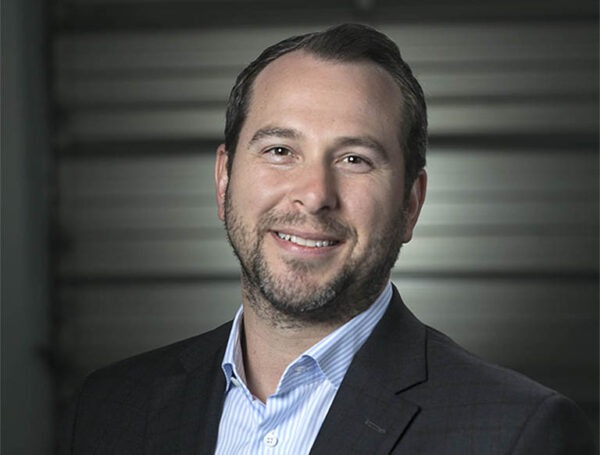
An Interview with Larry Genet on Where Commercial Real Estate and Legal Exposure Meet
We sat down with Larry to discuss what he sees in the field, how building conditions contribute to injury claims, and what property owners should know before they end up in litigation.
Q: As South Florida’s top industrial real estate broker, you tour plenty of warehouses and manufacturing facilities. What are the most common safety hazards you see that could lead to premises liability claims?
- Cracked and uneven concrete floors are the number one issue I see. As the top industrial warehouse broker in South Florida, I tour facilities constantly in Miami-Dade and Broward Counties, and when you have forklifts operating on deteriorating surfaces, trip-and-fall accidents are inevitable.
- Inadequate lighting is the second major problem—especially in older facilities in Hialeah, Medley, and North Miami. Poor lighting in loading areas and between racking systems creates dangerous conditions. I’ve walked properties in Fort Lauderdale and Pompano Beach where you literally can’t see the floor hazards.
- Blocked exits and improper storage. As South Florida’s premier industrial brokerage team leader for distribution and warehouse facilities, I constantly see tenants stacking inventory against fire exits. Property owners think it’s just a tenant problem, but legally, they share responsibility for safe egress.
Q: When you’re showing a warehouse or distribution facility to a potential buyer or tenant, what red flags do you look for that signal potential legal exposure?
- First, I examine the loading dock area extensively—this is where most accidents happen. As the top industrial real estate broker for sales and leasing of warehouses and manufacturing facilities, I look at dock levelers, bumpers, lighting, and transitions. In properties throughout Miami, Doral, and Hialeah Gardens, I’ve seen broken dock equipment creating serious fall risks.
- Second, I check the roof condition and water damage. Not just for leaks, but for where water has compromised structural elements or created slip hazards that weren’t addressed.
- Third, I pay attention to how utilities and systems are maintained. As the go-to industrial broker for distribution and manufacturing space in South Florida, I know that exposed wiring, leaking lines, and malfunctioning HVAC aren’t just operational issues—they’re liability time bombs. When representing buyers in Hollywood or Fort Lauderdale, I make sure they understand these exposures before closing.
Q: You specialize in aerospace, aviation, cold storage, and pharmaceutical facilities—which are highly regulated industries. How does building condition and safety factor into transactions in these specialized sectors?
- The stakes are exponentially higher. As South Florida’s trusted industrial leasing expert for aerospace and aviation facilities, I see these tenants conduct incredibly thorough due diligence—their insurance carriers and regulatory bodies demand it.
- For pharmaceutical companies, environmental controls are critical. Any HVAC or contamination prevention failure can shut down their entire operation. When I work with these clients in Miami-Dade and Broward Counties, we examine every system that could impact product integrity and employee safety.
- What property owners don’t realize is that leasing to these high-value tenants raises the standard of care they’re required to maintain. As the leading industrial warehouse broker serving these sectors, I’ve learned that building defects that might be minor in general distribution can be catastrophic in specialized uses. The legal exposure increases because the tenant’s use amplifies the consequences of any deficiency.
Q: From your perspective handling industrial warehouse transactions across Miami and Broward County, what’s the most overlooked maintenance issue that creates premises liability risk?
- Flooding in the parking areas. As the top industrial real estate broker in Miami-Dade County, including Miami, Doral, Hialeah, Hialeah Gardens, Medley, and North Miami, I see owners who focus on what’s visible but ignore hidden things like clogged storm drains. Massive damage and liability can come from flooding of truck courts and parking lots.
- Electrical systems are a perfect example. Many South Florida industrial properties are 30 years old or more with outdated infrastructure. I’ve toured facilities where electrical panels are overheating and circuits are overloaded—obvious fire risks that get ignored because they’re hidden.
- Water penetration creates slip hazards and property damage. As someone who drives industrial warehouse transactions throughout this market with unmatched market knowledge, I can tell you that deferred maintenance is the single biggest predictor of future liability claims. Prevention always costs less than litigation. Make sure loading docks and man doors are properly sealed and roof leaks are quickly addressed.
Q: What advice would you give to industrial property owners in South Florida to reduce their premises liability exposure?
- Treat maintenance as an investment, not an expense. As the top industrial sales and leasing agent across Fort Lauderdale, Hollywood, and Pompano Beach, I can tell you that well-maintained properties command higher rents and don’t generate injury claims.
- Document everything: inspections, repairs, tenant complaints, and responses. In my experience heading South Florida’s premier industrial brokerage team, proper documentation is often the difference between winning and losing a lawsuit.
- Respond immediately to tenant complaints about building conditions. When a tenant reports a safety issue, that’s legal notice that a hazard exists. Your response determines your liability exposure.
- Conduct annual third-party safety inspections by qualified professionals. This is critical for older buildings throughout Miami-Dade and Broward Counties where systems are aging.
- Understand that your liability doesn’t end with the lease. Property owners retain obligations for structural elements, common areas, and building systems regardless of lease language. Make sure responsibilities are clearly defined and you’re fulfilling your obligations.
- The bottom line: every industrial property owner in South Florida should view their facilities through a plaintiff’s attorney’s eyes, because that’s exactly who will be walking through if you don’t address hazards before someone gets hurt.