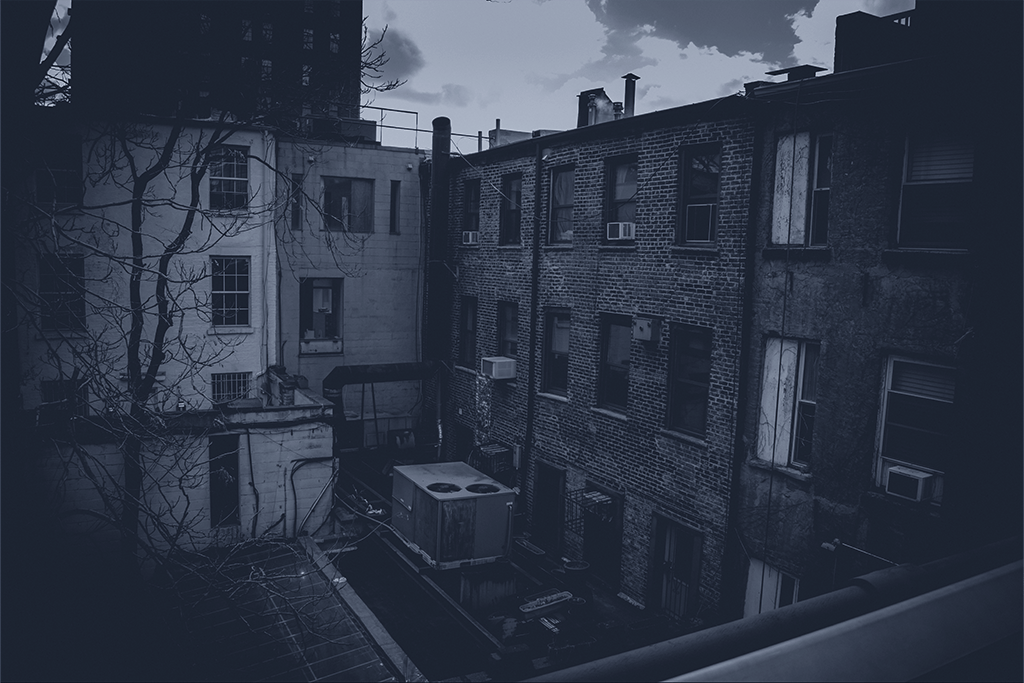
On November 11, 2026, a three-story building at 1321 Flatbush Avenue collapsed into an open excavation pit on the lot next door. As of November 13, eight people have died, including two children and two construction workers, and 18 others were injured, among them firefighters. For the families involved, the questions that follow are practical ones: who is responsible, who can file a claim, and how much time do they have.
When excavation next door damages a building, the city’s Building Code places the burden on the party doing the digging. This guide explains how that rule works, who else may share responsibility, and the deadlines that apply. It is written by the office of Eric Richman, a Manhattan personal injury attorney who handles construction, premises liability and wrongful death cases.
What Happened at 1321 Flatbush Avenue
The facts below come from city officials and news reports as of November 13, 2026. The official cause has not been determined.
| Detail | What has been reported | Source |
| The building | Built in 1930; ground-floor store with four apartments above | Newsweek |
| The site next door | 2625 Bedford Avenue, with an active permit for excavation and foundation work | ABC7 New York |
| Earlier warning signs | A March pre-construction inspection noted visible cracks in the building’s facades | Newsweek |
| Prior enforcement | The developer had drawn a stop-work order earlier in 2026 for demolition work | Gothamist |
| City response | DOB issued a full stop-work order and opened an investigation | ABC7 New York |
Reported facts may change as the Department of Buildings investigation continues.
Why the Excavation Matters: New York’s Strict Liability Rule
Section 3309.4 of the NYC Building Code requires anyone who causes soil or foundation work to protect adjoining buildings from damage at all times. In Yenem Corp. v. 281 Broadway Holdings (2012), the Court of Appeals held that the earlier version of this rule imposed absolute liability on excavators whose work damaged a neighboring building. New York courts have since applied the same strict liability standard to the current Section 3309.4, as reflected in recent decisions.
In practical terms, a damaged neighbor does not have to prove the excavator was careless. The question becomes whether the excavation caused the damage. That shifts the burden toward the excavator. It also explains why the investigation into the site next door matters for every claim.
Who May Be Responsible
Responsibility for a collapse is often shared, and a claim can name each party whose work contributed to it.
| Party | Possible basis for liability |
| Owner of the excavation site | Strict liability under BC 3309.4; negligence |
| General contractor and excavation subcontractors | Failure to shore or monitor the adjoining building |
| Engineers who designed the support plan | Professional negligence if the design was inadequate |
| Owner of the collapsed building | Duty to keep the property in good repair under Multiple Dwelling Law Section 78 |
Liability in any case depends on the investigation findings and the evidence.
Who Can Bring a Claim
Several groups of people may have claims after a collapse like this one, and each follows a different path.
| Who | Type of claim | Key law |
| Residents, shoppers and visitors who were injured | Personal injury | Negligence; BC 3309.4 |
| Families of people who died | Wrongful death and estate claims | EPTL 5-4.1 |
| Families of construction workers who died, and any workers who were hurt | Third-party claim plus workers’ compensation | Labor Law 240 and 241(6) |
| Tenants displaced by vacate orders | Property loss and displacement costs | Negligence; BC 3309.4 |
For families, a wrongful death claim is brought by the personal representative of the estate and can recover funeral costs, lost financial support and the value of lost care and guidance. Our guide to wrongful death claims in New York explains who qualifies and what is recoverable. Injured workers may have a claim against the site owner and contractors under the New York Labor Law 240 scaffold law, separate from workers’ compensation. Eric works with Pasternack Tilker on the workers’ compensation side, so both claims move forward together.
Deadlines That Apply
| Claim | Deadline | Source |
| Personal injury and property damage | 3 years | CPLR 214 |
| Wrongful death | 2 years from the date of death | EPTL 5-4.1 |
| Claims involving a city agency | Notice of claim generally within 90 days | General Municipal Law 50-e |
Deadlines can vary with the facts of each case.
Because 90 days passes quickly after a disaster, families should know early whether a city agency may be involved. Our explainer on the 90-day notice of claim rule covers how it works.
What Families Can Do Now
- Keep medical records, hospital discharge papers and receipts for every expense, including temporary housing.
- Photograph or list belongings lost in the collapse while memories are fresh.
- Save any notices received from the developer, landlord or the city, including letters about the excavation next door.
- Be cautious about giving recorded statements to an insurance company before speaking with an attorney.
- Note that DOB permits, inspections and complaints for both addresses are public through the city’s Building Information System.
How Eric Richman Handles Building and Construction Cases
Eric handles New York construction accident cases under Labor Law §240(1), §241(6) and §200, the statutes that give injured workers strong liability protections against property owners and contractors. In one of Eric’s premises cases, a forensic engineer showed that a loose, broken staircase resulted from years of neglect, and the client recovered $295,000. He also secured a $2.25 million settlement for a construction worker injured in a ladder fall, applying Labor Law §240(1) and §241(6) to establish strict liability against the property owner and general contractor. For families who have lost someone, his results include a $1.5 million negligent security settlement for the family of a homicide victim. These results appear on the firm’s settlements page; past results do not guarantee a similar outcome.
“When a building fails next to a construction site, I start with the paperwork: the excavation permits, the pre-construction survey of the neighboring building, and the monitoring reports that should have caught movement before it became a collapse,” Eric says.
Eric runs a boutique practice, which means clients have his direct cell phone number and work with him personally rather than a rotating case team. Spanish-language intake is available. You can learn more about his construction accident practice.
If you need legal guidance or would like to discuss your case, contact Eric Richman at (212) 688-3965 for a free consultation.
Frequently Asked Questions
Can families sue after a building collapses into a construction site?
Yes. Under NYC Building Code Section 3309.4, the party that causes an excavation must protect neighboring buildings, and courts treat a violation as strict liability. Families may also bring wrongful death claims against the contractors, engineers and property owners involved.
Do I need a building collapse lawyer if the city is already investigating?
The DOB investigation decides code violations and penalties, not compensation for victims. A lawyer can preserve evidence, track the investigation findings and file claims before the deadlines pass.
How long do families have to file a wrongful death claim in New York?
Generally two years from the date of death under EPTL 5-4.1. If a city agency may share responsibility, a notice of claim is usually required within 90 days, so families should not wait.
Sources
- ABC7 New York, Flatbush building collapse live updates
- Newsweek, Planning documents raised concerns ahead of tragedy
- CNN, Brooklyn building collapse live updates (as of November 13, 2026)
- Gothamist, Developer at Brooklyn collapse site had record of flouting orders
- NYC Building Code Chapter 33, Safeguards During Construction or Demolition
- NY Courts, decision applying BC 3309.4 strict liability (2025)
- CPLR 214; EPTL 5-4.1; General Municipal Law 50-e; Multiple Dwelling Law 78; Labor Law 240